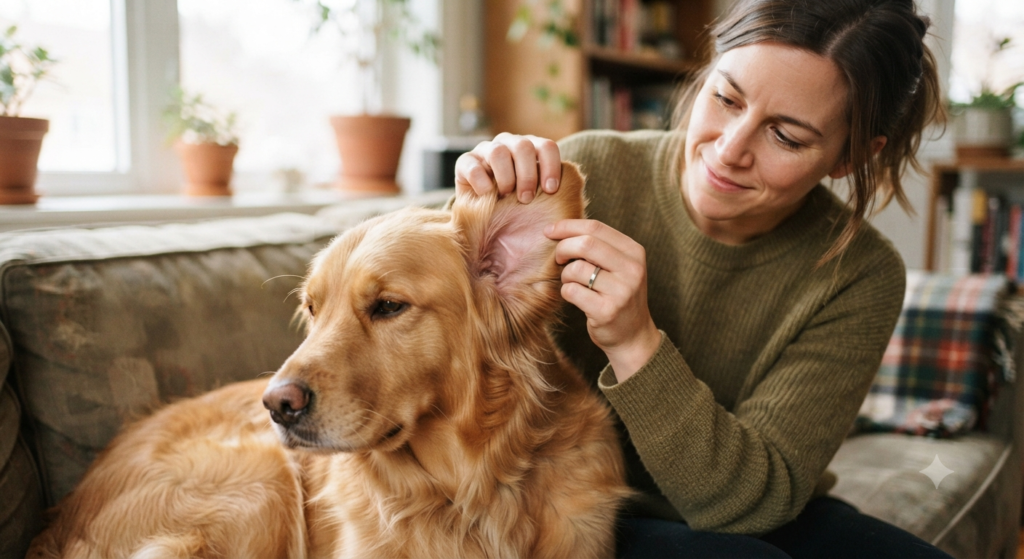
Quick answer: if your dog’s ear is just a little red or they’re shaking their head occasionally, a few things like apple cider vinegar rinses, coconut oil, and just drying their ears properly can knock it out before it becomes a real problem. But if there’s swelling, a bad smell, or discharge that isn’t clearing up in a couple days, home remedies aren’t going to cut it anymore.
So your dog’s ear looks a little off. Some redness, maybe they’ve been scratching at it more than usual, but nothing that screams “emergency.” Good news, this is often the stage where you can actually fix things yourself before it turns into a vet bill. Just know these work best early on, or as backup support while your dog’s already on proper treatment, not as a substitute once things get bad.
Here’s what actually helps, and what you should stay away from.
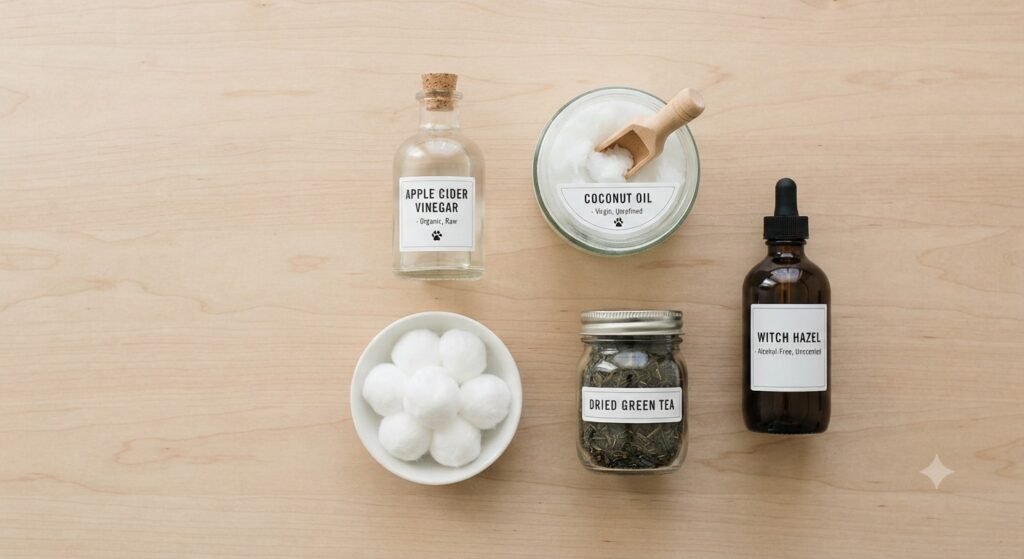
1. Apple Cider Vinegar Rinse
Equal parts ACV and water, wiped gently around the outer ear with a cotton ball. It’s got natural antibacterial and antifungal properties, so it’s genuinely decent for mild stuff, yeast especially. Just don’t pour it straight into the canal, and if the skin’s broken or raw anywhere, skip it, it’ll sting like crazy and make things worse.
2. Coconut Oil
Warm a bit between your fingers, massage it into the outer ear. It won’t do much against a real bacterial infection, but for dry, flaky skin or mild irritation it’s genuinely soothing. Lauric acid in it has some antimicrobial punch too.
3. Green Tea Rinse
Brew it, let it go completely cold, use as a rinse on the outer ear. It’s mild, more of an anti-inflammatory thing, calms down redness. Honestly this is more of a “catch it super early” option than something for an infection that’s already settled in.
4. Diluted Hydrogen Peroxide
One part peroxide, two parts water, cotton ball, outer ear only. Full strength stuff will irritate healthy skin, and this should never go into the canal itself. Useful for cleaning visible debris, not much else.
5. Witch Hazel
Natural astringent, dries out extra moisture, mild antiseptic too. Good pick if your dog swims a lot or just tends to get damp ears easily. Same rule, outer ear only.
6. Calendula
Gentle, soothing, works well on sensitive skin. You’ll find calendula ear cleansers at most pet stores, or brew your own cooled infusion at home. Probably the gentlest option on this whole list.
7. Just Dry Their Ears Properly
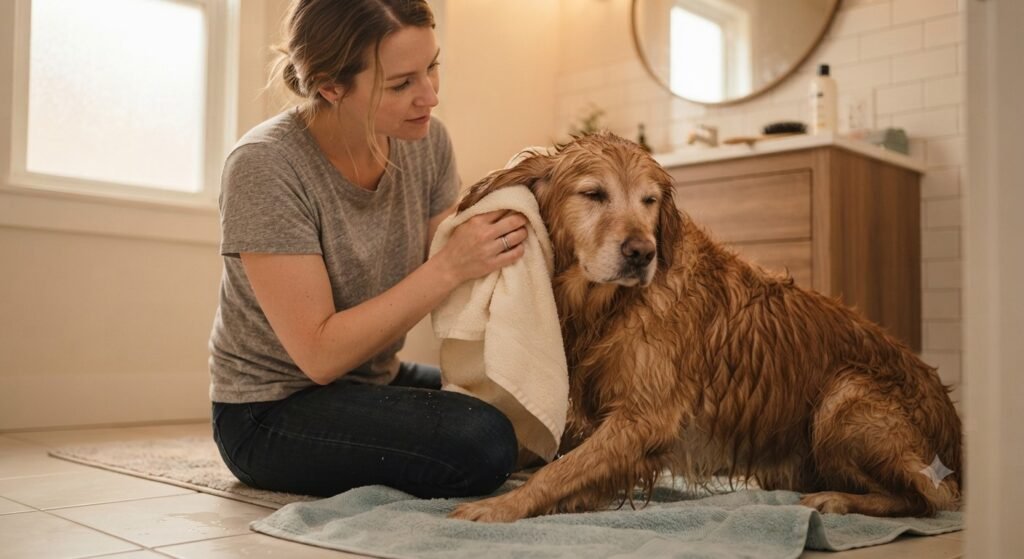
Not really a “remedy” but genuinely does more work than most of the things on this list. After a bath or swim, towel dry thoroughly, then a hairdryer on cool, held at a distance, if your dog will tolerate it. Moisture is basically the number one reason yeast takes over in the first place, so cutting that out solves a lot before it even starts.
8. Look at Their Diet
Food allergies are behind a lot of recurring ear problems. A vet-guided elimination diet can help figure out what ingredient’s actually causing the issue. It’s slow, takes weeks before you see anything, but for dogs stuck in a cycle of repeat infections, this gets at the actual cause instead of just treating the same flare-up over and over.
9. Omega-3s
Fish oil, basically. Supports skin health, brings down inflammation over time. Won’t touch an active infection, but if your dog’s prone to ear issues, it’s a reasonable thing to add long term.
10. Weekly Checks, Basically
Check the ears once a week, wipe the outer ear with a vet-approved cleanser. Not exciting, but it’s the thing that keeps you from needing the other nine remedies in the first place.
Things to Never Put in a Dog’s Ear
Rubbing alcohol, too harsh, genuinely painful on inflamed skin. Essential oils, tea tree oil especially, actually toxic to dogs even in tiny amounts. Cotton swabs, they just shove debris deeper instead of getting it out. And really, any home remedy at all once there’s swelling, bleeding, or a bad smell, that’s your body telling you this has moved past DIY territory.
When to Stop and Just Go to the Vet
Give it two, three days max. Not improving, or getting worse? Stop. Thick discharge, strong odor, visible swelling, obvious pain when you touch the ear, a head tilt that won’t go away, any of these mean skip the home stuff entirely. At that point you’re dealing with something that needs actual prescription treatment, and messing around at home just buys the infection more time to get worse.
Our guide on treating dog ear infections covers exactly what that vet process looks like if you’re at this stage.
Bottom Line
Home remedies are great for mild irritation or keeping things from starting in the first place, not for treating something that’s already dug in. ACV, coconut oil, and just drying your dog’s ears properly are your best bets, but know when to stop. No improvement in a few days means it’s time for an actual diagnosis, not more experimenting.
Information in this guide reflects general veterinary care practices for canine ear health. For your dog’s specific condition, especially with recurring or severe symptoms, consult your veterinarian directly.